Erfahrung, die Vertrauen schafft – für ein neues Gefühl von Wohlbefinden
Ihr Experte für ästhetische Chirurgie und Lasermedizin in Nürnberg.
Weil Schönheit keine Selbstverständlichkeit ist
Innovamed Ästhetik GmbH steht für Sie mit moderner Ausstattung, Räumlichkeit und Personal zur Verfügung. Alle Schönheitsoperationen und Behandlungen, Laser- & Photoderm-Therapien sowie Anti-Aging-Verfahren werden ausschließlich durch erfahrene Ärzte als höchstpersönliche Leistung durchgeführt.
Seriosität, Vertrauen und eine bestmögliche medizinische Versorgung stehen in der Schönheitschirurgie an oberster Stelle. Die in unseren Räumen tätigen Ärzte stehen für eine intensive Beratung, eine umfassende Risiko- und Kostenanalyse, optimale Versorgung und Nachbetreuung.
Das Thema Diskretion ist für uns eine Selbstverständlichkeit. Die behandelnden Ärzte stehen aufgrund ihrer umfassenden praktischen Erfahrungen und theoretischen Kenntnisse für eine hohe Patientenzufriedenheit.
Vereinbaren Sie noch heute Ihren Beratungstermin in unserer Klinik für ästhetische Medizin in Nürnberg.
Alle Behandlungen
Von Schönheitschirurgie über Anti-Aging bis hin zu Laser-Behandlungen - entdecken Sie unser umfassendes Leistungsspektrum für Ihre individuelle Schönheit.


Was unsere zufriedenen Patienten sagen
Erfahren Sie aus erster Hand, warum sich unsere Patienten für Innovamed Ästhetik entscheiden und welche Ergebnisse sie mit unseren Behandlungen erzielt haben.
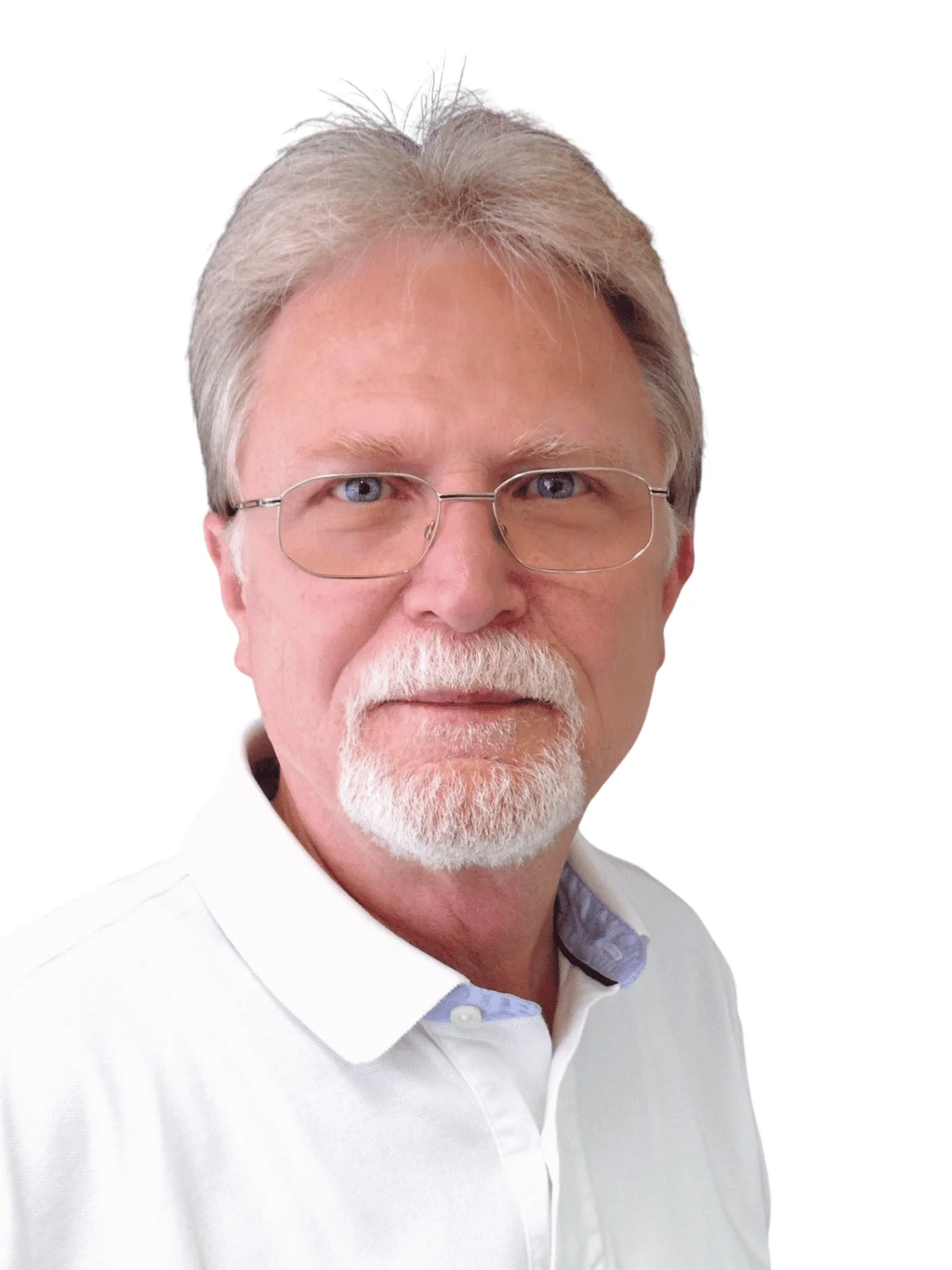
Dr. M. Taromi
Facharzt für Chirurgie, Schönheitschirurgie und Aesthetic Laser Medicine
Dr. M. Taromi ist ein anerkannter Facharzt für Chirurgie mit langjähriger Erfahrung in der ästhetischen Medizin. Seine Expertise umfasst ein breites Spektrum an Schönheitsoperationen und nicht-invasiven Behandlungen.
- Über 5000 erfolgreiche Behandlungen mit nachweislich hoher Patientenzufriedenheit
- Facharzt für Chirurgie mit umfassender Ausbildung in Schönheitschirurgie und Aesthetic Laser Medicine
- Jahrzehntelange Erfahrung in der ästhetischen Medizin und plastischen Chirurgie
- Studium der Humanmedizin an den Universitäten Teheran und Baku
- Spezialisierte Weiterbildungen in ästhetischer Chirurgie in Amsterdam, Brüssel und Deutschland
- Intensive Beratung mit umfassender Risiko- und Kostenanalyse
- Optimale Versorgung und persönliche Nachbetreuung für jeden Patienten
Mitgliedschaften & Zertifizierungen
Dr. M. Taromi ist Mitglied in anerkannten medizinischen Fachgesellschaften und Kammern


Wir freuen uns auf Sie!
Vereinbaren Sie jetzt Ihren Beratungstermin bei Innovamed Ästhetik in Nürnberg
Termin vereinbaren
Häufig gestellte Fragen
Wir beantworten die wichtigsten Fragen zu unseren Behandlungen und Services. Sollten Sie weitere Fragen haben, kontaktieren Sie uns gerne persönlich.